What is the best video game of all time? An adventure that can move us, an open world where we lose track of time, or a simple classic that is still fun decades later? There is no universal answer: every generation has its favourites.
What we can do is bring together one hundred games that have left a special mark. This selection mixes arcade classics, 8-bit and 16-bit adventures, big modern productions, independent games and works that defined whole genres. Some revolutionised the way we play, others raised the bar for storytelling, and others showed that a brilliant idea can matter more than a huge budget.
The top 10 at a glance
| Rank | Game | Year | Genre |
|---|---|---|---|
| 1 | World of Warcraft | 2004 | MMORPG |
| 2 | The Legend of Zelda: Link’s Awakening | 1993 | Adventure |
| 3 | Civilization IV | 2005 | Turn-based strategy |
| 4 | Animal Crossing: New Horizons | 2020 | Life simulation |
| 5 | Dota 2 | 2013 | MOBA strategy |
| 6 | Grand Theft Auto IV | 2008 | Open-world action |
| 7 | Final Fantasy XIV | 2013 | MMORPG |
| 8 | BioShock | 2007 | Story-driven shooter |
| 9 | Outer Wilds | 2019 | Exploration adventure |
| 10 | Katamari Damacy | 2004 | Action puzzle |
How we chose the 100 games
This is an editorial selection, not a scientific ranking or a list based only on sales or review scores. Commercial success explains how far a game reached, but not always its quality or importance. We weighed five things:
- Design and gameplay: controls, pacing, level design, depth and the ability to hold your interest.
- Influence: the ideas other video games went on to adopt.
- Personality: art direction, music, storytelling and world-building.
- Reception: the mark it has left among critics and players.
- Staying power: a classic does not have to look modern, but it should still offer something worth experiencing.
We also tried to represent different eras, genres and platforms. Each entry lists the launch platforms or the best-known versions. What you can buy today varies by edition, region and store, so check before you buy.
Ranks 100–91
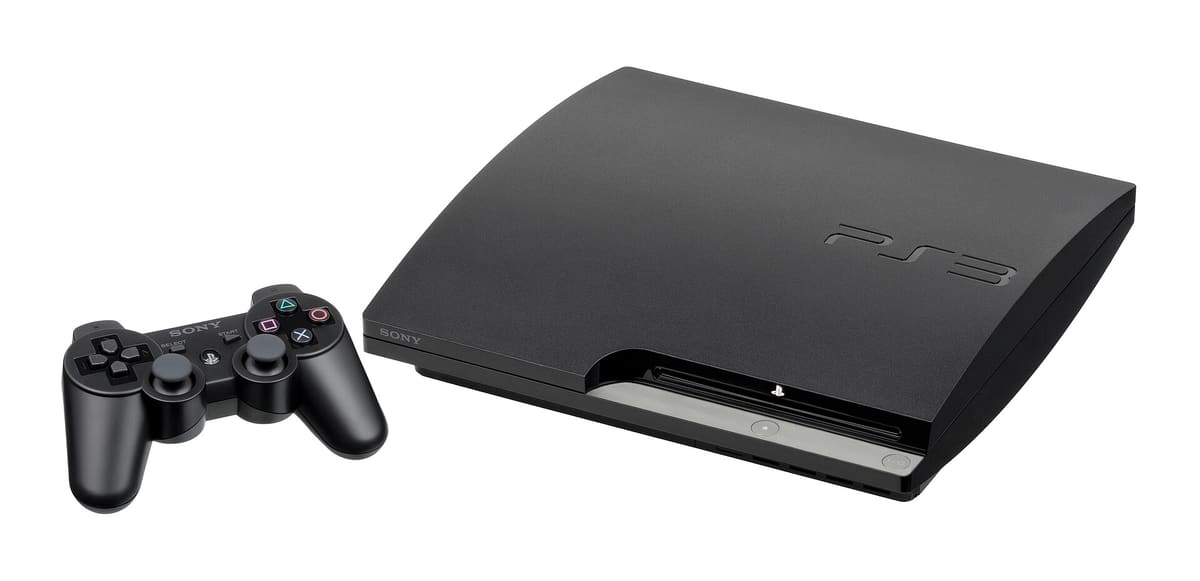
100. Journey (2012)
Thatgamecompany · Adventure · PlayStation 3
Journey turns a simple idea into an experience that is hard to forget. The player crosses a desert towards a distant mountain, with no dialogue or traditional explanations. Its strength lies in movement, music, landscape and a form of anonymous online co-op that can be surprisingly moving. It is short, but it shows that a video game can say a great deal with very little. It remains an ideal pick for anyone looking for something contemplative and different.
99. Celeste (2018)
Maddy Makes Games · Platformer · PC and consoles
Celeste combines demanding precision platforming with an intimate story about anxiety, perseverance and our relationship with ourselves. Its controls respond with extraordinary accuracy, and each screen introduces a challenge that is learned through practice rather than arbitrary frustration. The difficulty can be high, but its assist options let you adapt the experience. It is proof that level design and a well-developed emotional idea can carry a memorable game.
98. Firewatch (2016)
Campo Santo · Narrative adventure · PC and PlayStation 4 (Xbox One a few months later)
In Firewatch, a fire lookout spends the summer in a remote part of Wyoming, keeping in radio contact with their supervisor. Exploration, dialogue and a slowly building mystery are the heart of the experience. It does not try to offer constant action; instead it builds a relationship between characters and a place full of silences. Its slow pace will not suit every player, but its atmosphere and writing make it a very special narrative adventure.
97. Inside (2016)
Playdead · Puzzle platformer · PC and consoles
Inside tells an unsettling story almost without words. Through animation, environments and situations the player has to interpret, it builds an oppressive world that pushes you forward to find out what is happening. Its puzzles are woven into the surroundings, and the precision of its animation makes every action believable. It is short, compact and carefully made: a work that shows how visual language can replace long explanations.
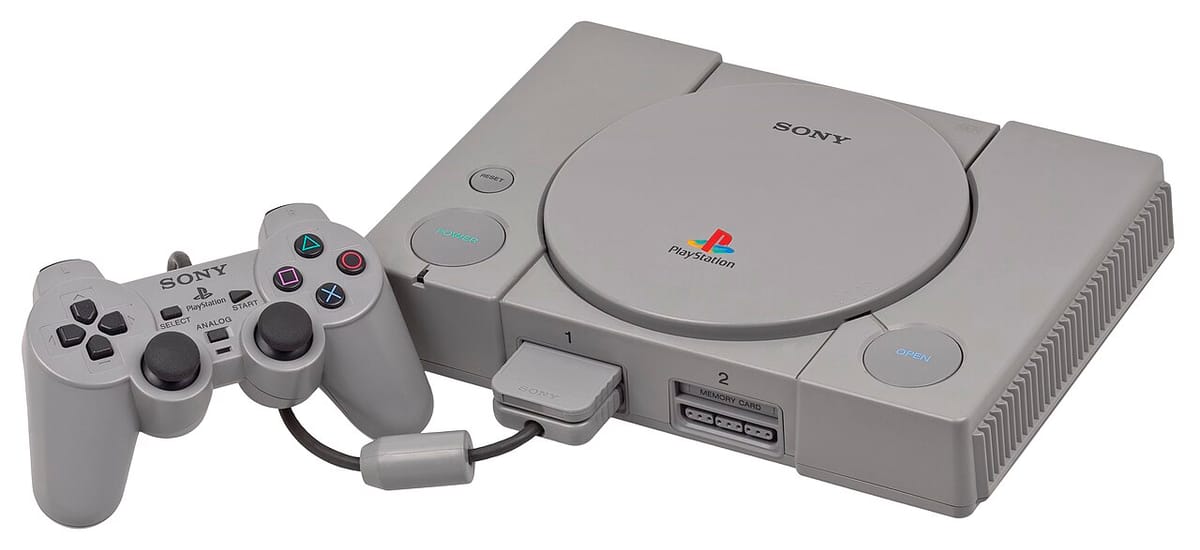
96. Tony Hawk’s Pro Skater 2 (2000)
Neversoft · Skateboarding · PlayStation and other consoles
Tony Hawk’s Pro Skater 2 turned skateboarding into an accessible, fast and addictive experience. Its trick system lets you chain moves together and hunt for ever more elaborate lines in levels designed for experimentation. The music, controls and goal structure create a rhythm that invites another run to beat your score. Its influence can be seen in arcade sports games, and the formula still works thanks to the clarity of its mechanics.
95. Dead Space (2008)
EA Redwood Shores · Survival horror · PlayStation 3, Xbox 360 and PC
Dead Space took space horror into a tense industrial setting. Resource management, sound design and a vulnerable protagonist mean any corridor can become a threat. Its combat, built around dismembering enemies, gives it a mechanical identity of its own. Beyond the scares, it stands out for its atmosphere and for how consistently it turns an abandoned ship into a terrifying place.
94. The Sims (2000)
Maxis · Life simulation · PC and other versions
The Sims turned simulation into a toolbox for telling everyday stories. Building a house, organising routines and watching relationships develop between characters can be as entertaining as completing a traditional mission. Its freedom and humour come from simple systems that produce unexpected situations. The series opened up huge room for player creativity and showed that not every video game needs a final goal or a way to win.
93. Age of Empires II (1999)
Ensemble Studios · Real-time strategy · PC
Age of Empires II is still a benchmark for real-time strategy thanks to its balance of economy, exploration, technology and combat. Each civilisation has nuances that change how you play, while its campaigns bring historical episodes to a wide audience. Its community and later editions have kept the game alive for decades. It is easy to start, yet deep enough for players who want to sharpen their decisions.
92. Devil May Cry 3: Dante’s Awakening (2005)
Capcom · Action · PlayStation 2
Devil May Cry 3 turned stylish combat into a discipline. Its weapons, styles and combinations let you build expressive fights where the player’s skill matters as much as the character’s strength. It is demanding and does not always explain its systems clearly, but it rewards learning with a sense of mastery that is hard to match. Its over-the-top personality and pace set a standard for technique-focused action games.
91. Return of the Obra Dinn (2018)
Lucas Pope · Investigation and puzzles · PC and consoles
Return of the Obra Dinn asks you to investigate a lost ship using a tool that reconstructs the moment each of its occupants died. You have to observe, connect clues and deduce identities and events. Its monochrome visual style is no mere decoration: it creates a recognisable identity and helps you read each scene. It is one of the most brilliant examples of design built on the player’s observation and reasoning.
Ranks 90–81

90. Hades (2020)
Supergiant Games · Action roguelike · PC and consoles
Hades combines fast combat, roguelike progression and a story that moves forward even when a run ends in defeat. Every attempt reveals new dialogue, relationships and details of the underworld, while the gods’ boons change your options in combat. Its great success is making repetition feel natural and meaningful to the story. It is an excellent entry point to the genre and one of the most influential indie games of its generation.
89. XCOM 2 (2016)
Firaxis Games · Tactical strategy · PC and consoles
XCOM 2 turns every tactical decision into a gamble. You lead a resistance against an alien occupation, manage resources and send soldiers on missions where a mistake can have permanent consequences. The tension comes from the mix of incomplete information, controlled chance and planning. Its depth supports different strategies and produces emergent stories that feel unique to each campaign. It is a modern benchmark for turn-based strategy.
88. Hollow Knight (2017)
Team Cherry · Metroidvania · PC and consoles
Hollow Knight builds a huge, melancholy underground kingdom full of secrets. Its map rewards curiosity, its fights ask you to learn patterns and its progression opens routes that change how you see the world. The atmosphere, music and enemy design give it a very distinct personality. It can be demanding and sometimes says little, but that sense of discovery is precisely one of its greatest strengths.
87. Final Fantasy IX (2000)
Square · JRPG · PlayStation
Final Fantasy IX recaptures the series’ classic fantasy spirit with a charismatic cast, a world full of personality and a story that reflects on identity and the meaning of life. Its system of abilities tied to equipment encourages you to experiment with your party. Although it keeps some of the pacing of role-playing games of its time, its art direction and narrative heart have aged with particular dignity.
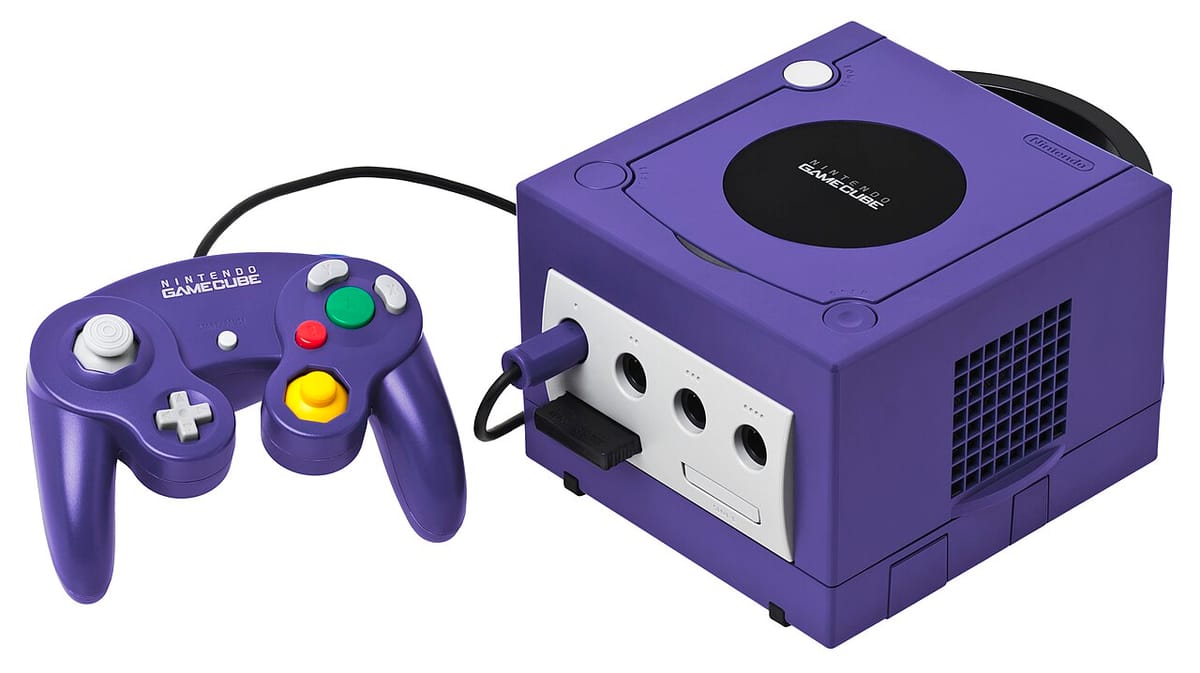
86. Metroid Prime (2002)
Retro Studios · Exploration adventure · GameCube
Metroid Prime moved the series’ signature exploration into a first-person view without losing its essence. Scanning your surroundings, finding upgrades and returning to earlier areas with new abilities creates a constant sense of discovery. Its world is cleverly connected and tells stories through environmental detail. It shows that changing perspective does not mean giving up a series’ identity.
85. StarCraft (1998)
Blizzard Entertainment · Real-time strategy · PC
StarCraft turned competitive strategy into an exercise in precision, reading your opponent and managing resources. Its three factions differ in design and philosophy, creating matches of exceptional depth. It had a particularly important impact on the growth of esports, above all in South Korea. It also offers a much-remembered science fiction campaign. It is essential to understanding how competitive strategy evolved.
84. Portal (2007)
Valve · First-person puzzle game · PC and others
Portal presents an extraordinarily simple core mechanic: create two connected portals to cross spaces and manipulate objects. From that idea it builds ever more ingenious puzzles and a story told with dark humour and an unforgettable antagonist. Its modest length stops the formula wearing thin. It is one of those games that change how people think about puzzle design, and it is best experienced without knowing its surprises.
83. Super Mario Galaxy (2007)
Nintendo · 3D platformer · Wii
Super Mario Galaxy turns gravity and tiny planets into tools for reinventing the 3D platformer. Each level introduces a visual or mechanical idea and develops it with extraordinary precision. The orchestral music, pace and variety keep up a constant sense of wonder. Its design shows that a familiar formula can still surprise when creativity is paired with impeccable controls.
82. Persona 5 Royal (2019)
Atlus · JRPG · PlayStation 4, later other consoles and PC (2019 in Japan, 2020 elsewhere)
Persona 5 Royal blends a student’s daily life with dungeon exploration and turn-based combat. Time management, social bonds and party progression form a joined-up system that makes every day count. Its visual style and soundtrack are unmistakable. It is a long adventure, but its structure and characters hold your interest for many hours.
81. Street Fighter II (1991)
Capcom · Fighting game · Arcade machines and consoles
Street Fighter II established much of the language of modern fighting games. Its distinct characters, special moves and matches built on reading your opponent created a competitive formula that is still used today. Its importance is not just nostalgia: it helped turn arcades into places where players competed against each other. It is an essential piece of video game history and arcade culture.
Ranks 80–71
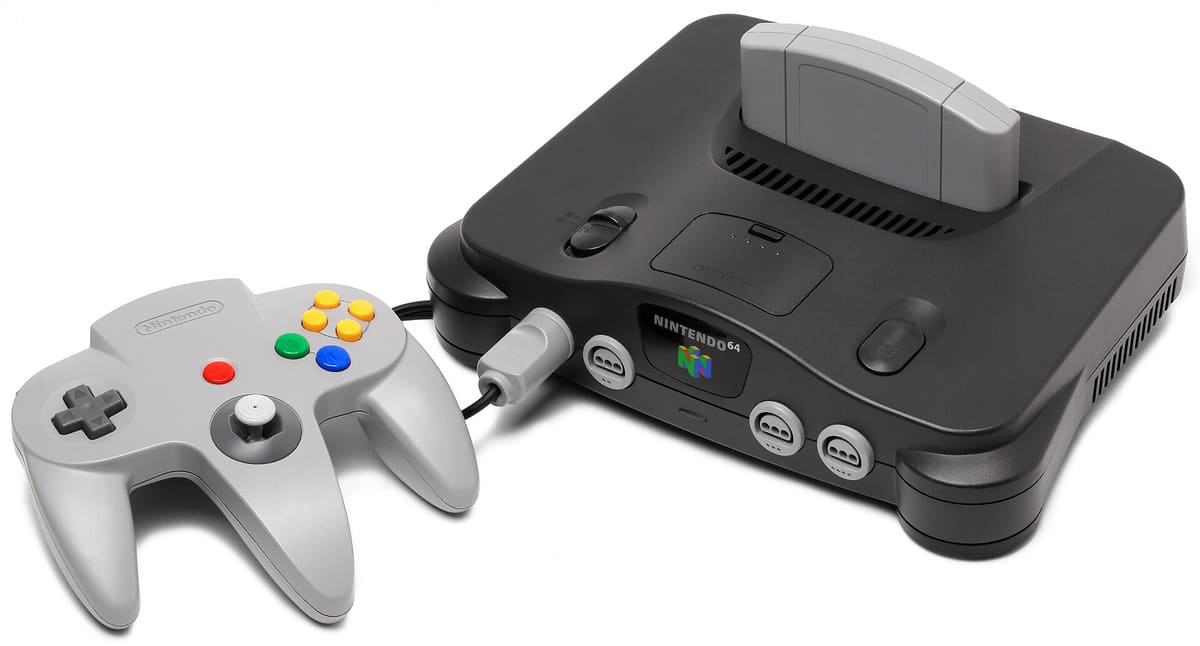
80. The Legend of Zelda: Ocarina of Time (1998)
Nintendo · Adventure · Nintendo 64
Ocarina of Time defined many conventions of the 3D adventure. Its target-lock system, exploration, temples and use of items fit into a clear and memorable structure. Music is part of both the puzzle solving and the identity of the world. Although some camera work and controls show their age, its design is still a lesson in how to bring an adventure into three-dimensional space.
Read also: the Ocarina of Time remake and its Switch 2 sales.
79. Pokémon Red and Blue (1996)
Game Freak · Monster-collecting RPG · Game Boy
The first Pokémon games turned collecting, trading and turn-based battles into a global phenomenon. Their greatest success was creating an adventure that grew richer when shared: trading creatures and completing the Pokédex gave the experience a social purpose. Their systems are simpler than those of later entries, but the central idea is still extraordinarily powerful. They are a cultural milestone as well as an influential RPG. In Japan the series began in 1996 with the Red and Green versions; Red and Blue reached Western players later.
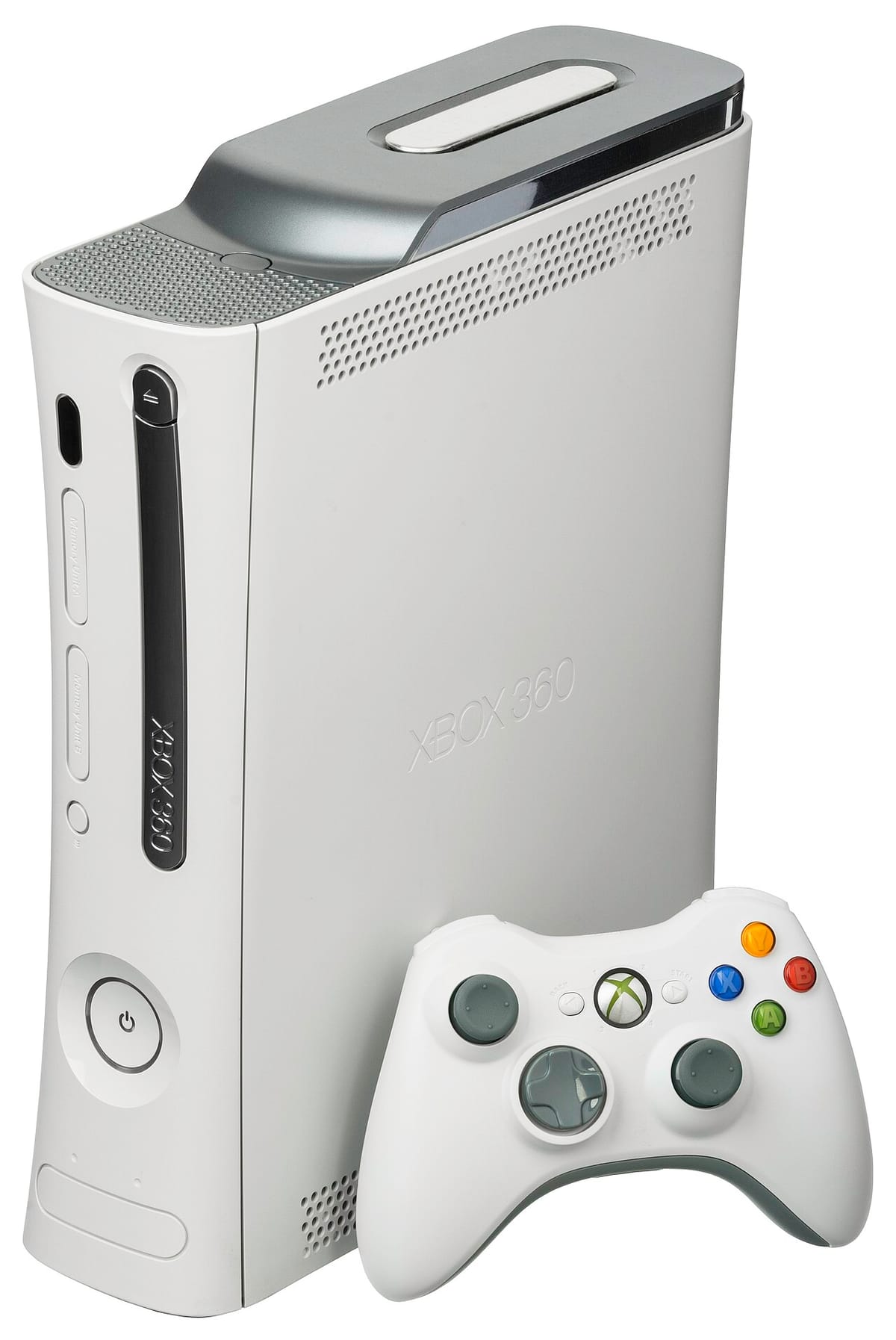
78. The Elder Scrolls IV: Oblivion (2006)
Bethesda Game Studios · Open-world RPG · PC and Xbox 360
Oblivion brought Western open-world role-playing to a huge audience. Its province of Cyrodiil invites you to stray from the main quest, discover places and shape a character freely. Its conversations and systems show some of the limits of its time, but the sense of adventure is powerful. Its side quests and world helped cement a formula that would hugely influence later RPGs.
77. Final Fantasy X (2001)
Square · JRPG · PlayStation 2
Final Fantasy X combined an emotional story with a clear, strategic turn-based combat system. Tidus and Yuna’s journey unfolds in a world with its own traditions, conflicts and mythology. Its cinematic presentation was an important leap for the series, while the Sphere Grid offered flexibility in developing characters. It is one of the most accessible ways into the classic JRPG.
76. Dishonored (2012)
Arkane Studios · Stealth action · PC and consoles
Dishonored stands out for levels that allow multiple solutions. You can move through them in stealth, use supernatural powers or combine tools to improvise. Its environments tell stories through architecture, objects and the routines of their inhabitants. The freedom is more than a promise: the design lets each playthrough reflect your decisions. It is a benchmark for immersive level design.
75. The Walking Dead: Season One (2012)
Telltale Games · Narrative adventure · PC and consoles
The first season of The Walking Dead showed that narrative choices could create a very intense emotional connection. The relationship between Lee and Clementine carries a survival story in which conversations and decisions matter more than action. Some choices have painful consequences, and there is not always a perfect solution. Its episodic structure and focus on characters left an important mark on narrative adventures.
74. Grand Theft Auto: Vice City (2002)
Rockstar North · Open-world action · PlayStation 2
Vice City turned a city inspired by 1980s Miami into a setting full of colour, music and personality. Its open world let you switch between missions, driving and exploration with a freedom that was extraordinary for its time. The soundtrack and setting are as important as the crime story. It may feel limited next to later entries, but its identity is still unmistakable.
73. Doom (1993)
id Software · First-person shooter · PC
Doom popularised the first-person shooter and helped define its language: fast movement, maze-like levels, recognisable enemies and direct combat. Its level design still works because it combines navigation, secrets and pace without relying on complex systems. It also boosted mod culture and the distribution of games as shareware. Its legacy is enormous, and the strength of its mechanics means it is still enjoyable today.
72. Final Fantasy VII (1997)
Square · JRPG · PlayStation
Final Fantasy VII took the JRPG to a much wider international audience. Its industrial world, its characters and its story of identity, memory and corporate power left a deep cultural mark. Pre-rendered backgrounds and cinematic sequences were part of its visual impact. Some mechanics have aged, but its narrative ambition and influence still justify its place among the greats.
71. The Legend of Zelda: A Link to the Past (1991)
Nintendo · Action adventure · Super Nintendo
A Link to the Past established an adventure structure that became a reference point for the series. Its world split into two versions, its dungeons, items and progression are designed with extraordinary clarity. Each tool opens new possibilities and links exploration with puzzle solving. Its pacing and map are still exemplary, even for players used to modern productions.
Ranks 70–61
70. Undertale (2015)
Toby Fox · RPG · PC and consoles
Undertale uses the conventions of the RPG to question violence and the player’s choices. You can resolve encounters without defeating your enemies, and the game remembers how you have behaved. Its humour, characters and music build a very particular identity. Its simple look hides clever narrative design that rewards curiosity and attention.
69. Resident Evil 2 (1998)
Capcom · Survival horror · PlayStation
Resident Evil 2 refined the survival horror formula established by its predecessor. The Raccoon City police station works as an interconnected space that you learn to navigate while managing ammunition and resources. Its two protagonists and complementary routes widen the view of the story. The modern remake makes it easier to approach, but the original keeps its historical value and its own rhythm.
68. The Legend of Zelda: Tears of the Kingdom (2023)
Nintendo · Open-world adventure · Nintendo Switch
Tears of the Kingdom expands the freedom of Breath of the Wild with tools that let you combine objects, build vehicles and solve problems in unexpected ways. Exploration spreads across several layers of the world, and each player can find different solutions. Its greatest virtue is turning creativity into a central mechanic. It is an enormous adventure that rewards experimentation, although its scale can feel overwhelming to some.
67. BioShock Infinite (2013)
Irrational Games · Story-driven shooter · PC and consoles
BioShock Infinite uses the floating city of Columbia to explore power, fanaticism, inequality and alternate realities. The relationship between Booker and Elizabeth gives an emotional core to an adventure full of spectacle and story twists. The combat is more conventional than its ideas, but its setting and world-building make it a recognisable and much-debated experience.
66. Monster Hunter: World (2018)
Capcom · Action and hunting · PC, PlayStation 4 and Xbox One
Monster Hunter: World made a series known for demanding systems more accessible without removing its depth. Each monster asks you to watch its patterns, prepare your gear and learn to use a particular weapon. The hunt is the centre of a progression loop that can be very satisfying, especially in co-op. Its living world and creatures turn each encounter into a small expedition.
65. Wii Sports (2006)
Nintendo · Sports · Wii
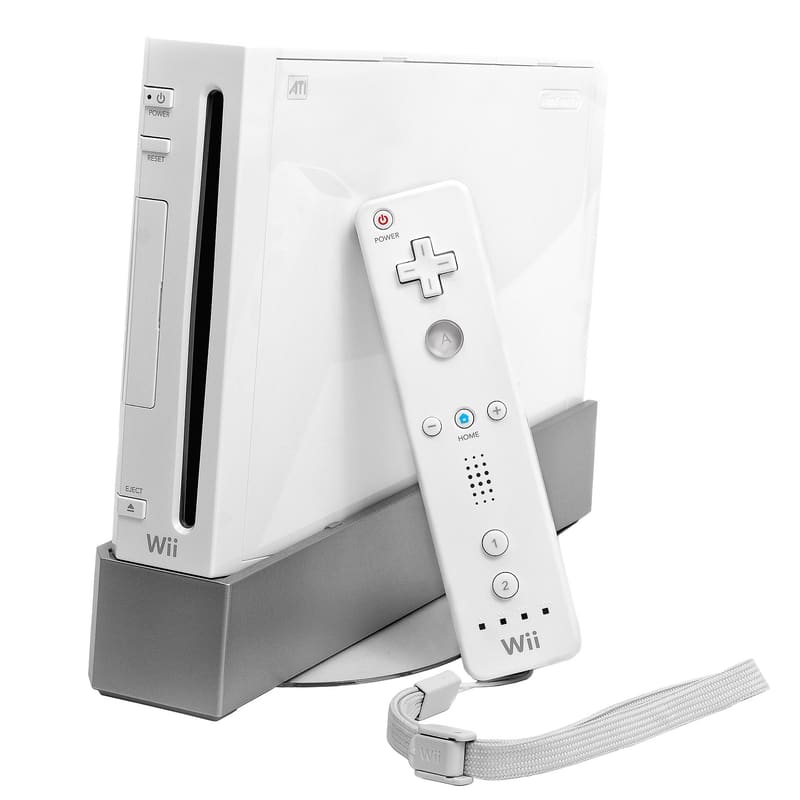
Wii Sports turned physical movement into a simple way to play. Bowling, tennis, baseball, boxing and golf could be understood in seconds, even by people who had never used a controller. Its importance was social and cultural: it brought video games into living rooms and family gatherings where they had barely been present. It does not offer the depth of a sports simulator, but its accessibility changed how the general public saw games.
64. Grand Theft Auto III (2001)
DMA Design · Open-world action · PlayStation 2 and PC
Grand Theft Auto III helped establish the modern model of the 3D open world. Liberty City offered a city you could roam freely, with missions, vehicles and activities that gave it a life of its own. Its structure influenced countless later games. Its controls and presentation may feel dated today, but its historical importance and the freedom it offered at the time are beyond dispute.
63. The Secret of Monkey Island (1990)
Lucasfilm Games · Point-and-click adventure · PC
The Secret of Monkey Island made humour, dialogue and puzzles the heart of an unforgettable adventure. Guybrush Threepwood is a clumsy, charismatic hero, and the pirate world is full of absurd situations. Its conversation system and challenges helped define the golden age of point-and-click adventures. It is essential for understanding the history of the genre.
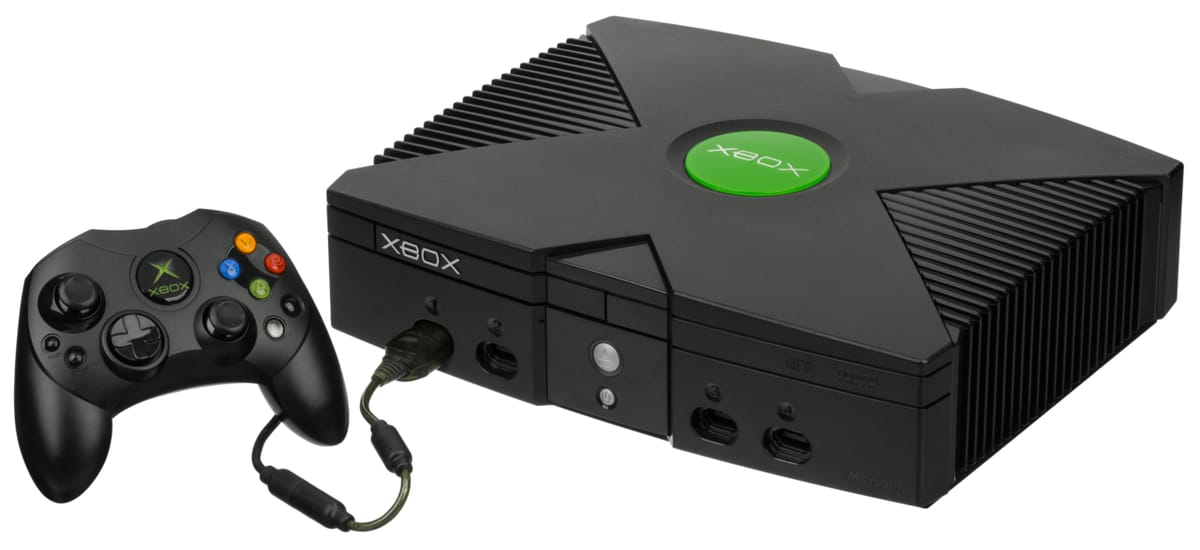
62. Star Wars: Knights of the Old Republic (2003)
BioWare · RPG · PC and Xbox
Knights of the Old Republic carried the Star Wars universe into an RPG about choices, companions and exploration. Its morality system lets your decisions shape your path and your protagonist’s identity. Set thousands of years before the films, the story gives it the freedom to reveal another era of the galaxy. Its storytelling and central twist are still remembered by role-playing fans.
61. Gran Turismo 3: A-Spec (2001)
Polyphony Digital · Driving simulation · PlayStation 2
Gran Turismo 3 brought realistic driving to a new generation of consoles with presentation that was technically impressive for its time. Its collection of cars, events and progression made it a benchmark for accessible simulation. It is not after arcade spectacle; it aims to convey the satisfaction of mastering circuits and vehicles. Its influence on driving games and car culture is considerable.
Ranks 60–51
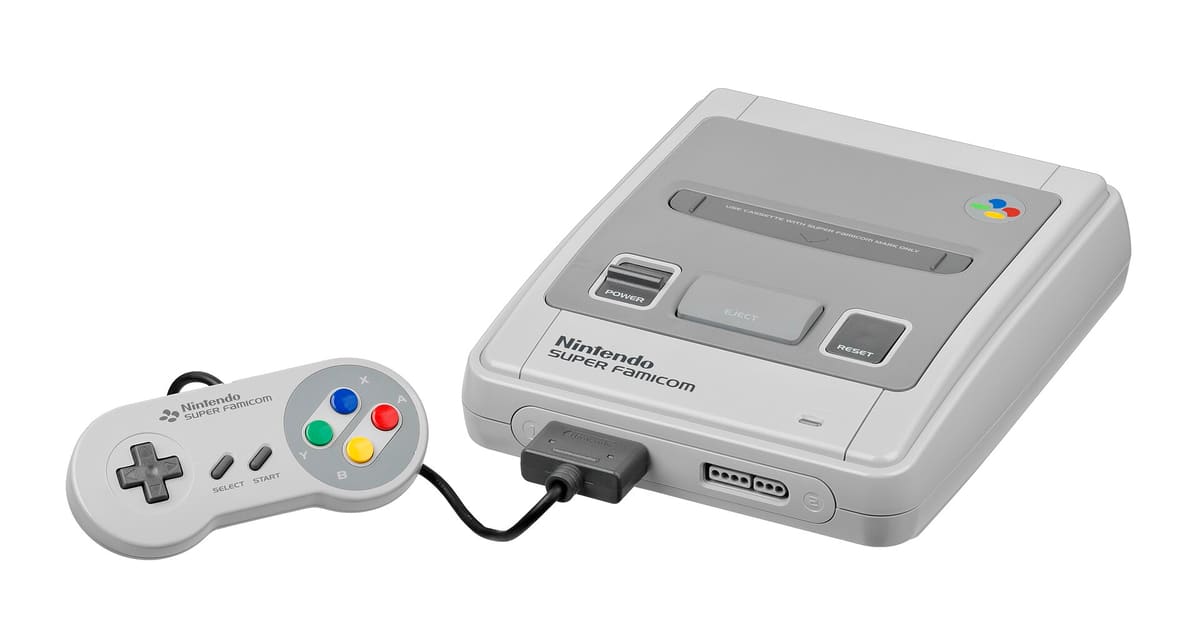
60. The Legend of Zelda: Majora’s Mask (2000)
Nintendo · Adventure · Nintendo 64
Majora’s Mask stands out for its three-day structure, which asks you to understand the routines, schedules and relationships of its townspeople. Its tone is darker and more melancholy than that of other entries, and the masks let you take on different abilities and perspectives. The time pressure can be daunting at first, but it creates a singular adventure about loss, responsibility and repetition.
59. Cuphead (2017)
Studio MDHR · Run-and-gun platformer · PC and consoles
Cuphead reproduces the look of 1930s animation with an extraordinary level of detail. Its boss fights ask you to memorise patterns, react precisely and learn from every attempt. The difficulty is high, but the rules are clear and the visual variety keeps you interested. Its music and animation are not just decoration: they are part of an exceptional artistic identity.
58. It Takes Two (2021)
Hazelight Studios · Co-op adventure · PC and consoles
It Takes Two is designed for two people from the start. Each chapter introduces new mechanics that force you to cooperate, communicate and coordinate. The variety keeps the adventure from going stale and makes co-op more than playing side by side. Its story about a couple in crisis can be uneven, but the creativity of its situations makes it an outstanding co-operative experience.
57. Metal Gear Solid 3: Snake Eater (2004)
Konami · Stealth action · PlayStation 2
Snake Eater combines infiltration, survival and a Cold War spy story. The jungle setting asks you to observe, use camouflage, treat your wounds and manage resources, while its boss fights stand out for their originality. Its cinematic tone and characters add an emotional dimension that is unusual in the genre. It is one of the most complete entries in the Metal Gear series.
56. Mass Effect 2 (2010)
BioWare · Action RPG · PC and consoles
Mass Effect 2 makes preparing for a suicide mission the engine of an adventure centred on your companions. Each character has a history, conflicts and a personal mission that can affect the ending. The combat is more direct than in the first game, but the relationships you build and the continuity of your choices make the journey especially memorable. It is a benchmark for the modern story-driven RPG.
55. The Elder Scrolls V: Skyrim (2011)
Bethesda Game Studios · Open-world RPG · PC and many consoles
Skyrim offers a freedom to explore that tempts you to drop any plan and follow a mountain, a cave or a side story. Its world, its factions and the flexibility of character building explain its enormous longevity. Some systems and animations show their age, but the community, PC mods and the sheer number of possible adventures keep interest alive. It is one of the most influential RPGs of its generation.
54. Super Metroid (1994)
Nintendo · Exploration action game · Super Nintendo
Super Metroid is a masterclass in non-linear exploration. Zebes is presented as a connected world where each upgrade lets you reach places that were closed before. The atmosphere, map design and absence of constant explanations strengthen the sense of discovery. Its influence gave part of the metroidvania genre its name, and designers still study its structure.
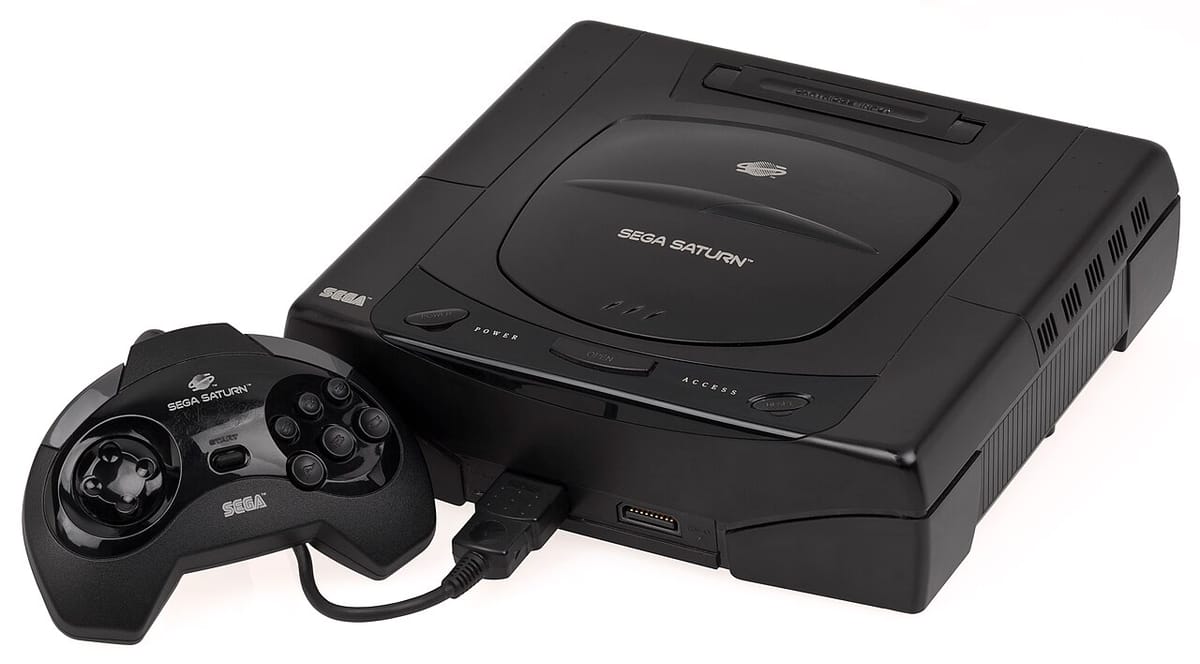
53. Castlevania: Symphony of the Night (1997)
Konami · Exploration action game · PlayStation and Saturn
Symphony of the Night mixed exploration, character progression and combat in a castle full of secrets. Its interconnected map, equipment and range of abilities make curiosity a constant reward. The music and art direction give it a very distinct gothic atmosphere. Its influence on metroidvanias is enormous, and it remains a reference point for designing interconnected worlds.
52. Final Fantasy VI (1994)
Square · JRPG · Super Nintendo
Final Fantasy VI presents a large cast of characters and a story that dares to change direction radically. Its world, music and ability system deliver an adventure of great scale within the limits of 16-bit hardware. Each character has an identity and a role in the story, and the tone combines humour, tragedy and hope. It is one of the great achievements of the classic Japanese role-playing game.
51. Grand Theft Auto: San Andreas (2004)
Rockstar North · Open-world action · PlayStation 2 and PC
San Andreas expanded the GTA formula with three cities, rural areas and a huge variety of activities. The story of CJ and his return to Los Santos offers a fictional portrait of American urban culture in the 1990s. Customisation, driving, exploration and missions create a world that was exceptionally large for its time. Its scale and personality made it one of the best-remembered PlayStation 2 games.
Ranks 50–41
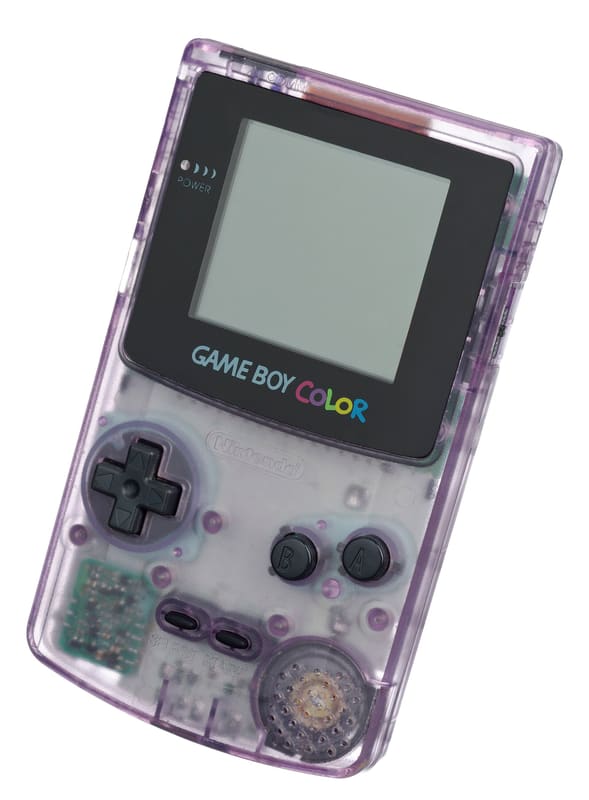
50. Pokémon Gold and Silver (1999)
Game Freak · Monster-collecting RPG · Game Boy Color
Gold and Silver expanded the Pokémon formula with new creatures, a day and night cycle and a structure that surprised players by letting them return to an earlier region. Their improvements gave collecting and battling more depth without losing the simplicity that made the series popular. For many players they strike the perfect balance of adventure, discovery and progression.
49. Shadow of the Colossus (2005)
Team Ico · Action adventure · PlayStation 2
Shadow of the Colossus reduces adventure to a seemingly simple mission: find and defeat sixteen colossi. Each encounter works like a puzzle on a monumental scale, where you have to watch your enemy and work out how to climb it. Its empty landscapes, music and melancholy tone create a unique experience. It shows that silence and restraint can also carry enormous emotional force.
48. Portal 2 (2011)
Valve · First-person puzzle game · PC and consoles
Portal 2 expands on the original with new materials, mechanics and a longer campaign. Its puzzles keep a finely judged progression, while the dialogue adds humour and personality. The co-op campaign adds challenges designed for two players and shows that communication can be part of the design. It is a sequel that broadens its concept without losing the precision that made the first game special.
47. Bloodborne (2015)
FromSoftware · Action RPG · PlayStation 4
Bloodborne transforms FromSoftware’s demanding action formula with more aggressive combat and a gothic setting inspired by cosmic horror. Its city, Yharnam, is a maze of secrets and connections that rewards exploration. Its system for recovering health encourages you to strike back instead of waiting. Its atmosphere, pace and enemy design make it one of the most distinctive experiences of its generation.
46. Super Mario World (1990)
Nintendo · Platformer · Super Nintendo
Super Mario World refined the 2D platformer with precise controls, alternative routes and secrets that encourage you to explore every level. The arrival of Yoshi widened the possibilities without complicating the formula. Its map connects the worlds and lets you discover hidden exits, which adds replay value. It is an extraordinary example of how clear design can produce an experience that is still fun decades later.
45. Diablo II (2000)
Blizzard North · Action RPG · PC
Diablo II defined much of the language of action-and-loot games. Its classes, randomised items and progression create a cycle of fighting and improving that keeps you playing. The darkness of its world and the punch of its combat strengthen the sense of adventure. Its community has kept the experience alive, and its influence can be seen in countless later games.
44. Civilization VI (2016)
Firaxis Games · Turn-based strategy · PC and consoles
Civilization VI turns human history into a series of strategic decisions. Founding cities, researching technology, negotiating, fighting and developing culture call for long-term thinking and adapting to a changing map. Spreading cities across the terrain adds a new spatial dimension. Each game tells a different story, and that ability to create emergent situations explains its enormous replay value.
43. Super Mario Bros. 3 (1988)
Nintendo · Platformer · NES
Super Mario Bros. 3 expanded the formula of the first Mario with world maps, suits, secrets and an extraordinary variety of situations. Each world introduces new ideas and develops them without losing the precise control that defines the series. Its visual design and mechanics remain a benchmark for the classic platformer. It was one of the great examples of how a sequel can multiply possibilities without needlessly complicating the experience.
42. The Last of Us Part II (2020)
Naughty Dog · Action adventure · PlayStation 4
The Last of Us Part II commits to an uncomfortable story about violence, loss and consequences. Its narrative structure may divide opinion, but its direction, animation, sound and stealth and combat systems are crafted in enormous detail. Its environments offer multiple routes and its encounters create constant tension. It is an ambitious production that uses the video game to raise difficult questions rather than offer simple answers.
41. Super Mario 64 (1996)
Nintendo · 3D platformer · Nintendo 64
Super Mario 64 helped establish how a character should be controlled in three-dimensional space. Mario’s movement is expressive and precise, and the levels let you pursue goals in different ways. Its camera is not always comfortable today, but its freedom of movement and open level structure were revolutionary. Its influence reaches far beyond the series itself.
Ranks 40–31
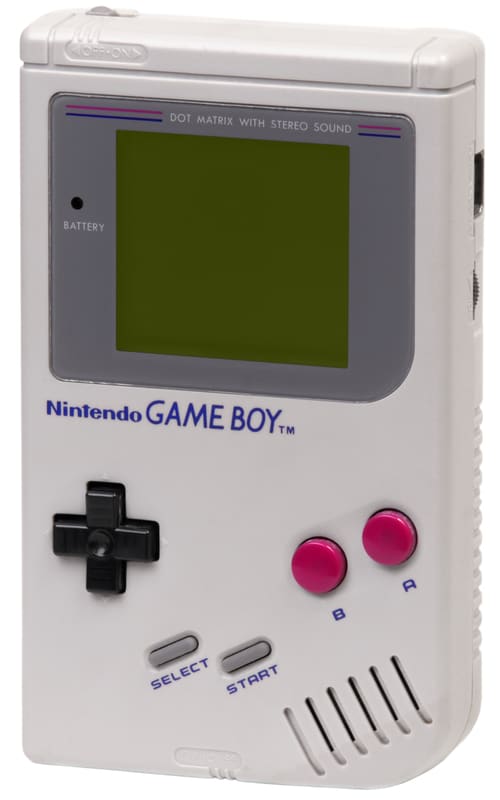
40. The Legend of Zelda: Breath of the Wild (2017)
Nintendo · Open-world adventure · Nintendo Switch and Wii U
Breath of the Wild rethought the open-world adventure by putting curiosity and experimentation first. You can climb, cook, combine objects and tackle many challenges in whatever order you like. Its physics and interacting systems allow unexpected solutions, while the landscape invites you to explore without constantly relying on map markers. Its greatest achievement is giving players back the feeling of discovering a world for themselves.
39. God of War (2018)
Santa Monica Studio · Action adventure · PlayStation and PC
God of War reinvented a series known for spectacular action with a more intimate adventure centred on Kratos and Atreus. Combat with the Leviathan Axe has weight and depth, while the relationship between father and son provides an emotional core. The continuous camera and the blend of exploration, puzzles and combat create a very cohesive experience. It is a reinvention that respects the past and builds a new identity.
38. Half-Life (1998)
Valve · First-person shooter · PC
Half-Life changed expectations of how to tell a story in a shooter. Instead of constantly interrupting the action with cutscenes, it uses the environment and events so that you live the story from inside. Its levels combine combat, exploration and puzzles with very carefully judged pacing. Its impact on the genre and on single-player campaign design is enormous.
37. Resident Evil 4 (2005)
Capcom · Action horror · GameCube and other consoles
Resident Evil 4 renewed the series with an over-the-shoulder camera and more dynamic combat, without completely giving up the tension of horror. Its encounters are designed around positioning, resource management and controlling groups of enemies. The pace alternates between action, exploration and moments of unease. Its influence on third-person action games was so significant that it is still studied as a reference.
36. Red Dead Redemption (2010)
Rockstar San Diego · Open-world action · PlayStation 3 and Xbox 360
Red Dead Redemption turned the western into an open-world adventure with a very distinct identity. John Marston’s story deals with loyalty, change and the end of an era, while the landscape and music create a memorable atmosphere. Its activities and encounters make the territory feel alive. It is one of the great interactive stories of its generation.
35. Minecraft (2011)
Mojang · Sandbox survival · PC and many consoles and devices
Minecraft is a practically limitless toolbox. It lets you build, explore, survive, automate systems and create shared worlds. Its simple look hides enormous emergent depth: the rules are easy to grasp, but the possibilities depend on the player’s imagination and knowledge. It has influenced education, content creation and social play. Its longevity shows the power of giving a community real freedom.
Choosing between shared worlds? See our Roblox, Fortnite or Minecraft comparison.
34. The Witcher 3: Wild Hunt (2015)
CD Projekt Red · Open-world RPG · PC and consoles
The Witcher 3 stands out for the quality of its quests and for a world in which even side stories often have consequences and shades of grey. Geralt is not a perfect hero, and many decisions pose dilemmas with no comfortable answer. Its characters, music and setting build an adventure on a grand scale. Its expansions extend one of the most complete role-playing games of its generation even further.
33. Elden Ring (2022)
FromSoftware · Open-world action RPG · PC and consoles
Elden Ring moved FromSoftware’s philosophy of exploration and combat into an open world that rewards leaving the main path. Its bosses, dungeons and character-building systems offer an enormous variety of approaches. The story is told in fragments, through the environment and its characters. Its greatest strength is the sense of discovery and the freedom to face challenges in different ways.
32. Tetris (1984)
Alexey Pajitnov · Puzzle · Many platforms
Tetris is one of the most perfect ideas in video game history. Fitting falling pieces together looks simple, but time pressure and the need to plan ahead create almost endless depth. It needs no characters, advanced graphics or elaborate story to be absorbing. Its presence across so many platforms and generations shows that a universal mechanic can outlast any technology.
31. Metal Gear Solid (1998)
Konami · Stealth action · PlayStation
Metal Gear Solid took stealth and cinematic storytelling to a new level of popularity. Its enemy encounters, bosses and infiltration systems make you think before you act. The story mixes espionage, technology and political dilemmas in a very particular style. Some scenes and controls show their age, but its ambition and influence on action storytelling are still fundamental.
Ranks 30–21
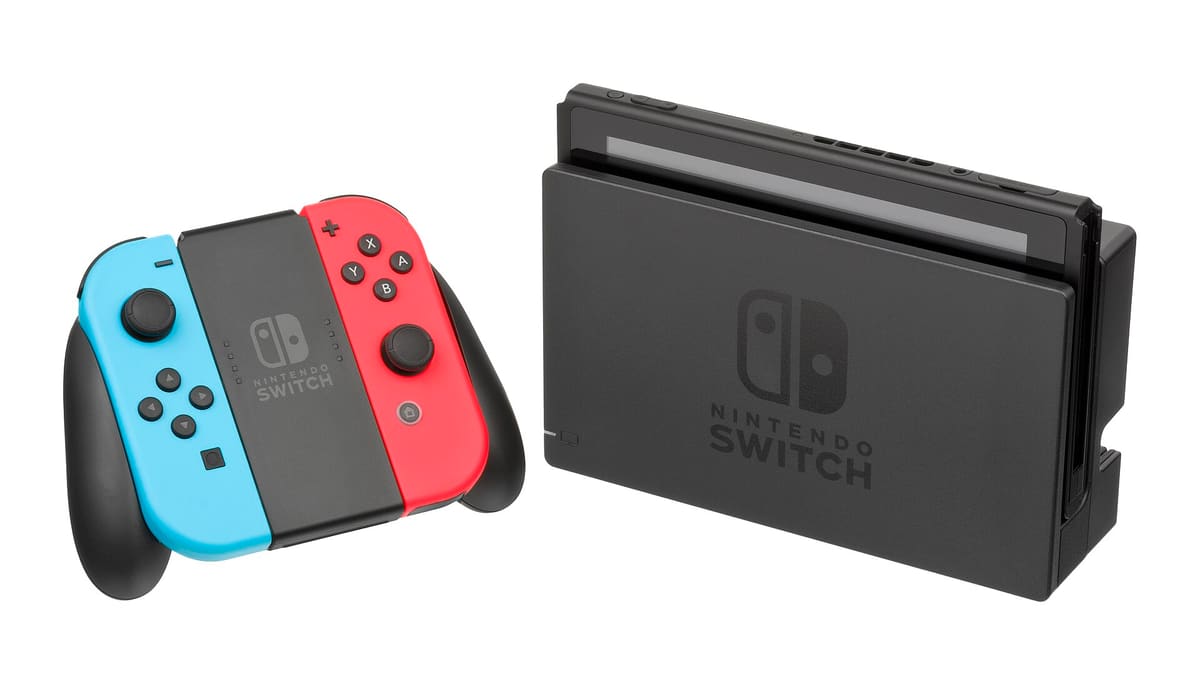
30. Super Mario Odyssey (2017)
Nintendo · 3D platformer · Nintendo Switch
Super Mario Odyssey recaptures the joy of exploring three-dimensional spaces and takes it to a collection of worlds full of secrets. Cappy’s ability lets you take control of enemies and objects, turning each level into a set of possibilities. Movement is precise and optional challenges reward curiosity. It is a celebration of Mario’s history and one of the most complete platform adventures of its generation.
29. Chrono Trigger (1995)
Square · JRPG · Super Nintendo
Chrono Trigger brings together time travel, memorable characters and turn-based combat with combined attacks. Its pacing avoids many of the usual problems of long RPGs, and your choices can lead to different endings. Each era has its own identity, and the music accompanies an extraordinarily cohesive adventure. It is one of the great classics of Japanese role-playing and an essential pick for anyone who wants to discover the genre.
28. Quake (1996)
id Software · First-person shooter · PC
Quake took the fast shooter into fully three-dimensional environments and helped drive competitive play over the internet. Its weapons, movement and maps call for reflexes and knowledge of each level, while its technology marked an important leap for 3D graphics on PC. Its influence extends to later shooters and to mod culture. It is essential to understanding how the genre evolved.
27. Sekiro: Shadows Die Twice (2019)
FromSoftware · Action adventure · PC and consoles
Sekiro replaces FromSoftware’s usual combat with duels built on rhythm, posture and precision. Instead of relying mainly on stats or many different builds, you have to learn to deflect attacks and read each opponent. Its Japanese setting, bosses and movement system create a demanding but very coherent adventure. It is one of the most satisfying action experiences for players who enjoy mastering a deep system.
26. Baldur’s Gate 3 (2023)
Larian Studios · RPG · PC, PlayStation 5 and Xbox Series X|S
Baldur’s Gate 3 offers extraordinary freedom to resolve conflicts, develop characters and change the course of an adventure. Its rules, inspired by Dungeons & Dragons, let you combine abilities, surroundings and choices in unexpected ways. Your companions have stories of their own, and decisions can change important events. It is a long RPG that rewards experimentation and shows that interactive storytelling can offer an enormous variety of paths.
25. Donkey Kong Country 2: Diddy’s Kong Quest (1995)
Rare · Platformer · Super Nintendo
Donkey Kong Country 2 combines precise controls, varied levels and art direction that pushed 16-bit hardware. Its stages introduce their own challenges and secrets that reward exploration without breaking the pace. David Wise’s music contributes to a very recognisable atmosphere. It is one of the strongest platformers of its generation and shows how difficulty and creativity can live alongside fair design.
24. Half-Life 2 (2004)
Valve · First-person shooter · PC (Xbox version in 2005)
Half-Life 2 expanded the original’s built-in storytelling with physics that changed how you solve puzzles and fight. The Gravity Gun turned everyday objects into tools and weapons, while City 17 and its surroundings build an oppressive world without resorting to long explanations. Its pace, characters and variety of situations make it one of the most influential single-player campaigns in the medium.
23. Ori and the Will of the Wisps (2020)
Moon Studios · Metroidvania platformer · PC, Xbox and Nintendo Switch
Ori and the Will of the Wisps combines exploration, precision platforming and more developed combat than its predecessor. Its world is full of routes, abilities and secrets, while the music and animation build a very distinct emotional identity. Progression feels fluid, and each new ability changes how you move around the map. It is especially recommended for players who value movement and art direction.
22. The Last of Us (2013)
Naughty Dog · Action adventure · PlayStation 3 (remastered on PlayStation 4 in 2014)
The Last of Us combines survival, stealth and a story centred on the relationship between Joel and Ellie. Its post-apocalyptic world is not just scenery: each space says something about the people who lived there and what is left of society. Combat is tense, and scarce resources reinforce a sense of vulnerability. Its strength lies in its characters and in the way it draws you emotionally into the journey.
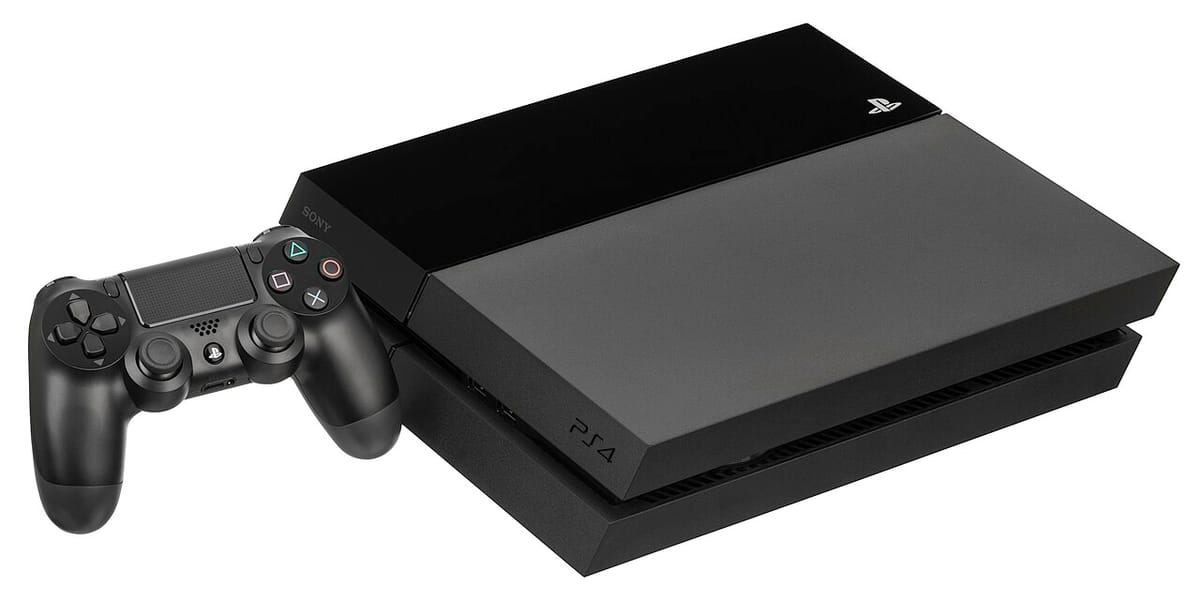
21. Red Dead Redemption 2 (2018)
Rockstar Games · Open-world action · PlayStation 4 and Xbox One (PC in 2019)
Red Dead Redemption 2 is one of the most detailed open worlds ever recreated. The story of Arthur Morgan and Dutch’s gang explores loyalty, change and the end of a way of life. Its characters evolve, the world reacts to many of your actions and exploration is full of unexpected encounters. Its slow pace may not win everyone over, but its ambition and humanity make it extraordinary.
Ranks 20–11
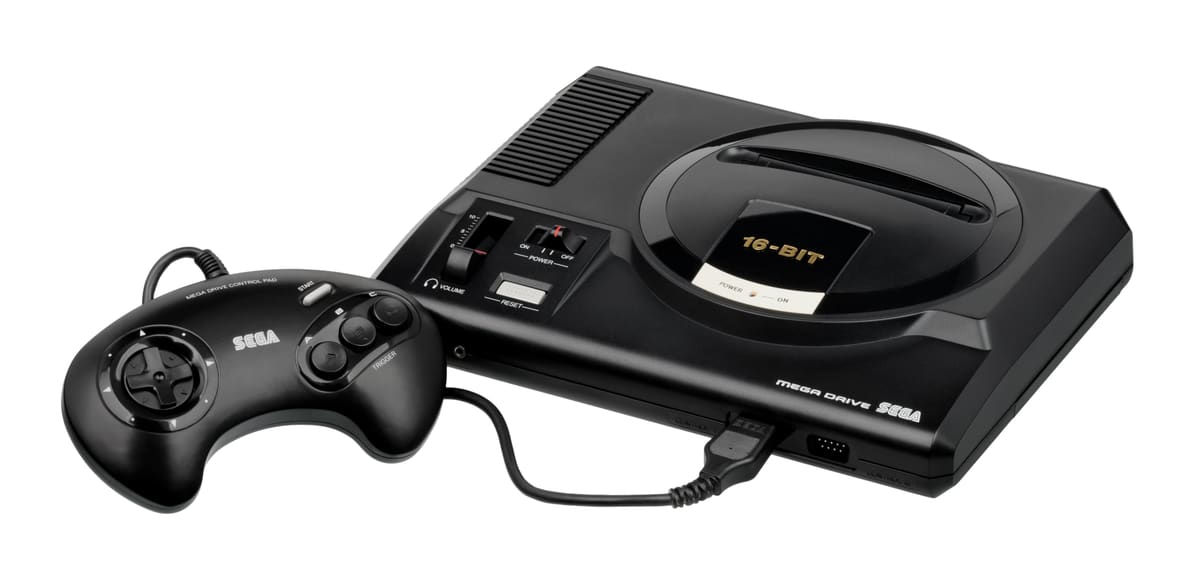
20. Super Mario Bros. (1985)
Nintendo · Platformer · NES
Super Mario Bros. did not invent every element of the platformer, but it brought them together with a clarity that changed the industry. Its controls, pace and level design teach the player through action. Each obstacle introduces a rule and each world builds on what you have learned. Its historical importance is immense, yet it is still fun on its own merits: an example of accessible, precise and elegant design.
19. Fallout: New Vegas (2010)
Obsidian Entertainment · Open-world RPG · PC, PlayStation 3 and Xbox 360
Fallout: New Vegas stands out for the freedom it gives you to intervene in the conflicts of its world. Its factions have their own interests, and your choices can shift the balance of power in the Mojave. The skill system and conversations let you handle situations in many ways. Although it had technical limitations, the quality of its quests and the depth of its decisions have made it a classic of Western role-playing.
18. The Legend of Zelda: Twilight Princess (2006)
Nintendo · Adventure · GameCube and Wii
Twilight Princess presents a darker Hyrule and an adventure on a grand scale. Link’s transformation into a wolf introduces new abilities and different ways of interacting with the world, while its dungeons keep the series’ classic design. Its tone, characters and vast settings make it a much-loved entry among players who prefer a darker fantasy adventure.
17. Grand Theft Auto V (2013)
Rockstar North · Open-world action · PlayStation, Xbox and PC
GTA V offers a city and surrounding region open to exploration, with three protagonists whose stories intersect. Switching between characters adds variety to the missions and shows different points of view on Los Santos. Its social satire, driving and side activities support a very broad world. Its online component extended its life for years, although the campaign is still a standout experience on its own.
About the next entry in the series: what to know about the GTA 6 launch.
16. Baldur’s Gate II: Shadows of Amn (2000)
BioWare · RPG · PC
Baldur’s Gate II is one of the great references of classic Western role-playing. Its world offers complex quests, companions with strong personalities and choices that affect the adventure. Its system, inspired by Advanced Dungeons & Dragons, requires you to understand abilities and tactics, but rewards you with deep combat and great freedom to develop your party. Fans of the genre still admire its writing and scale.
15. Dark Souls (2011)
FromSoftware · Action RPG · PC and consoles
Dark Souls put difficulty, exploration and connected level design at the centre of an unforgettable experience. Its world is built like a great labyrinth where shortcuts and discoveries change how you see the map. Fights call for patience and observation, and every victory feels earned. Its influence shaped a wave of games that put learning, atmosphere and interconnected design first.
14. The Sims 2 (2004)
Maxis · Life simulation · PC and consoles
The Sims 2 expanded life simulation with family generations, aspirations and life stages that gave continuity to the stories players created. Its characters could form relationships and memories, giving each save its own identity. The freedom to build homes and direct everyday lives made it a creative and social tool that left a deep mark on the genre.
13. Sonic the Hedgehog 2 (1992)
Sega Technical Institute, with members of Sonic Team · Platformer · Mega Drive
Sonic the Hedgehog 2 refined the speed and level design of the first game. Its stages alternate routes, slopes, secrets and bursts of acceleration, while the addition of Tails expanded the experience to two players. Its music and visual identity cemented Sonic as one of the great video game icons of the 1990s. It is still a fast platformer full of personality.
12. Disco Elysium (2019)
ZA/UM · Narrative RPG · PC and consoles
Disco Elysium does without traditional combat and puts all its strength into dialogue, investigation and choices. Its protagonist is a detective with a broken memory who must solve a murder while trying to piece together his own identity. His skills work like inner voices that argue with each other, and the writing mixes humour, politics and tragedy. It is one of the most original narrative games of modern times.
11. The Legend of Zelda: The Wind Waker (2002)
Nintendo · Adventure · GameCube
The Wind Waker committed to a cartoon art style that has aged with particular grace. Its ocean world invites you to sail between islands, find secrets and explore dungeons with the ingenuity you expect from Zelda. The size of the sea can make some journeys feel slow, but the sense of adventure and the expressiveness of its characters are still extraordinary. It is one of the most personal entries in the series.
Ranks 10–1
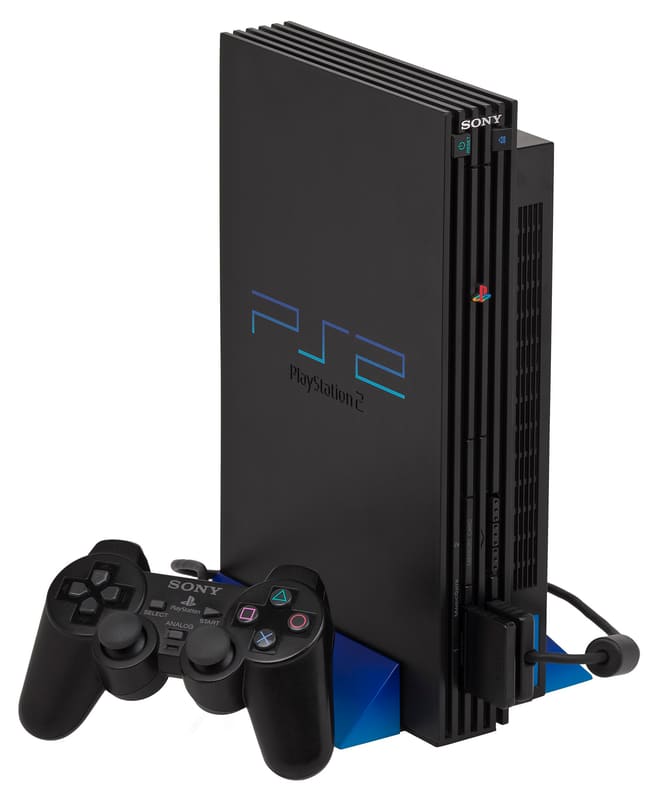
10. Katamari Damacy (2004)
Namco · Action puzzle · PlayStation 2
Katamari Damacy turns an absurd premise into one of the most original mechanics in the medium: rolling a ball that picks up ever bigger objects. Its controls, music and humour create an instantly recognisable experience. Each level changes the scale of the challenge and encourages you to find more efficient routes to grow. Its personality shows that innovation does not always need realism or complexity; sometimes a brilliant idea carried out with conviction is enough.
9. Outer Wilds (2019)
Mobius Digital · Exploration adventure · PC and consoles
Outer Wilds is an exploration adventure built around a solar system trapped in a time loop. Progress depends on what you know: discovering how the universe works lets you reach places that once seemed impossible. There are no traditional upgrades to replace curiosity, and each discovery can change your understanding of the story. It is hard to describe without spoiling its surprises, so it is best played knowing as little as possible.
8. BioShock (2007)
Irrational Games · Story-driven shooter · PC and consoles
BioShock presents Rapture, an underwater city whose utopia has collapsed. Exploring its spaces, listening to audio logs and meeting its inhabitants builds a story about power, ideology and freedom. Its weapons and powers let you combine different strategies, while its atmosphere keeps up constant tension. Its world and the questions its story asks made it a benchmark for the single-player shooter.
7. Final Fantasy XIV (2013)
Square Enix · MMORPG · PC and consoles
Final Fantasy XIV has become one of the great examples of how an online game can sustain a long and emotional story. Its world evolves through expansions, quests and shared activities, and its different jobs let you change play style without creating a new character for each one. It takes time and a constant connection, but offers a large community and a story that has earned recognition inside and outside the genre. The year shown refers to A Realm Reborn, the relaunch; the first version came out in 2010.
6. Grand Theft Auto IV (2008)
Rockstar North · Open-world action · PlayStation 3, Xbox 360 and PC
Grand Theft Auto IV offers a more sober and melancholy vision of Liberty City. Niko Bellic arrives in the United States looking for a better life, but soon finds that his past and the contradictions of the so-called American dream are still with him. Driving and combat have physical weight, and the city has a very convincing urban identity. Its narrative tone sets it apart from other entries and makes it one of the most interesting stories in the series.
5. Dota 2 (2013)
Valve · MOBA strategy · PC
Dota 2 offers enormous competitive depth from a simple goal: work with your team to destroy the enemy base. Its heroes, items, roles and tactical decisions create a demanding learning curve and strategic variety that is hard to match. Its competitive scene has kept an international community going for years. It is not the most accessible choice for everyone, but its influence on competitive online play is beyond dispute.
4. Animal Crossing: New Horizons (2020)
Nintendo · Life simulation · Nintendo Switch
Animal Crossing: New Horizons offers a calm space to build an island, decorate, collect and spend time with other players. Its calendar, tied to the real world, and its everyday activities turn progression into a relaxed routine, without the pressure to compete or complete urgent goals. It launched at a time when many people were looking for connection and calm. It shows that a video game can also stand out for the wellbeing and creativity it encourages.
3. Civilization IV (2005)
Firaxis Games · Turn-based strategy · PC
Civilization IV refined a formula that turns each game into an alternative history of humanity. Founding cities, researching, negotiating and competing for resources means balancing immediate goals with long-term plans. Its music, leaders and systems of diplomacy and development gave personality to an entry that fans hold especially dear. It is one of those games where one more turn can easily become a whole night.
2. The Legend of Zelda: Link’s Awakening (1993)
Nintendo · Adventure · Game Boy
Link’s Awakening brought the Zelda adventure to a handheld without losing the ambition of the home console entries. Koholint Island is full of odd characters, clever dungeons and secrets that connect its different areas. Its tone mixes humour, mystery and melancholy, and its structure shows that a memorable adventure does not need a gigantic world. It is one of the most special classics in the series.
1. World of Warcraft (2004)
Blizzard Entertainment · MMORPG · PC
World of Warcraft turned online gaming into a persistent world where millions of people could share adventures, explore territories and build communities. Its relative accessibility, clear progression and the richness of Azeroth helped popularise MMORPGs around the world. Expansions have changed the experience profoundly, but its cultural impact and influence on games run as ongoing services are enormous. Its first place recognises not only its quality but its ability to turn a video game into a lasting social space.
The best games on the list for your favourite genre
Open world
Red Dead Redemption 2 (rank 21), The Witcher 3 (34), The Legend of Zelda: Breath of the Wild (40), Elden Ring (33), Grand Theft Auto V (17) and Skyrim (55) are great choices if you enjoy exploring large maps and finding stories off the main path.
Role-playing
Baldur’s Gate II (16), Baldur’s Gate 3 (26), Chrono Trigger (29), The Witcher 3 (34), Final Fantasy VI (52), Mass Effect 2 (56), Final Fantasy VII (72) and Persona 5 Royal (82) show very different ways of understanding the genre. For something modern to start with, try The Witcher 3 or Persona 5 Royal.
Platformers
Super Mario Bros. (20), Super Mario Odyssey (30), Super Mario 64 (41), Super Mario World (46), Super Mario Galaxy (83), Hollow Knight (88) and Celeste (99) range from the classic platformer to exploration and precision challenges.
Horror and tension
Resident Evil 4 (37), Bloodborne (47), Resident Evil 2 (69) and Dead Space (95) use fear in different ways: scarce resources, pursuit, action or an unsettling atmosphere.
Strategy
Civilization IV (3), Civilization VI (44), StarCraft (85), XCOM 2 (89) and Age of Empires II (93) cover real-time strategy, turn-based tactics and empire building.
Co-op
It Takes Two (58) is one of the clearest choices for two players. Minecraft (35) and Monster Hunter: World (66) also offer shared experiences with plenty of freedom and lasting appeal.
Which classics are still worth playing today?
An older game does not lose its value because its graphics are simple or its controls differ from today’s, but it helps to pick a good place to start. To discover classic platformers, Super Mario World is still accessible and precise. To see the origins of the 3D adventure, Ocarina of Time and Super Mario 64 are essential, although adapted or remastered versions may be the better way in.
If you prefer strategy, you can start with Age of Empires II: Definitive Edition. For role-playing, Chrono Trigger and Final Fantasy VI are two great options. And for puzzles that do not depend on nostalgia, Tetris and Portal are still safe bets.
The best way to approach a classic is to understand what it was trying to do in its time, rather than expecting it to work like a new release. If you are looking for where to play today’s releases, we cover the main gaming platforms and compare Steam and the Epic Games Store.
Fancy playing something in your browser right now? PapoGames has free classics such as Sudoku, chess, Mahjong, Solitaire and 2048.
Conclusion: the best video games are the ones that stay with you
The history of video games does not fit into a single ranking. Some works changed the industry, others perfected a genre, and some simply gave us an experience we could not forget. Your favourite may be near the top, much further down or missing altogether: that argument is part of what makes this medium special. Which game would you include, and which deserves a higher place?
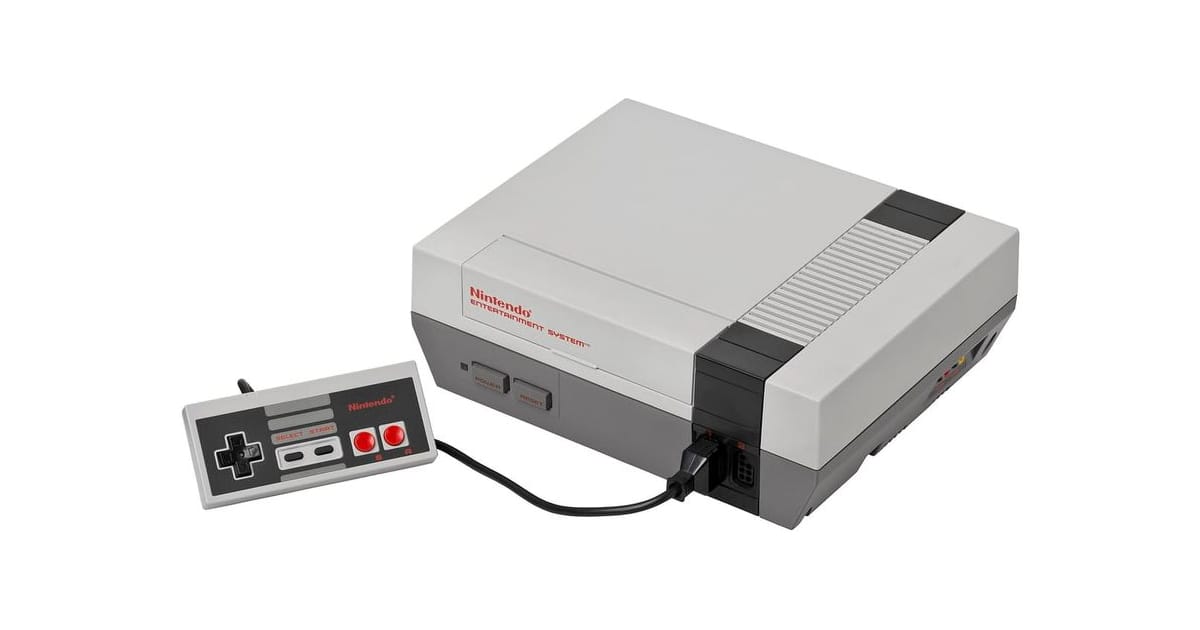
Cover image: NES console. Photo: Evan-Amos, public domain, via Wikimedia Commons. Game names and trademarks belong to their owners.